.png)
Understanding and Nurturing Positive Behaviour in Children
Updated: Jan 26

Understanding why a child acts a certain way is the first step toward meaningful growth. Behaviour isn’t just a choice; it’s a multifaceted journey shaped by a complex interplay of internal and external factors.
To support a child effectively, we must first look at the "determinants" driving their actions. Behaviour is deeply influenced by:
Genetics and Brain Development;
Cognition: our beliefs and thought patterns;
Mental Health: conditions like ADHD, anxiety, or depression can significantly impact how a child responds to the world;
Physical Health: we cannot overlook the basics. A lack of sleep can disrupt emotional regulation, while nutrition and movement are essential for stabilising energy and mood;
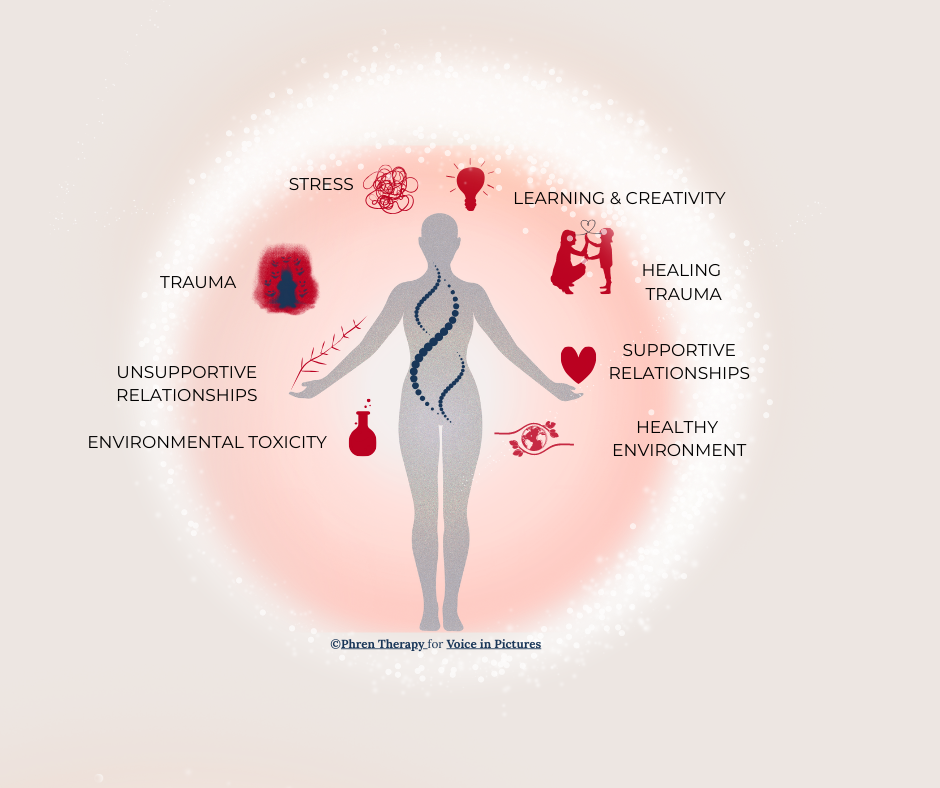
Social & Environmental: peer relationships and role models provide the blueprint for social skills. Meanwhile, the physical environment and past life experiences (including trauma) inform how a child behaves in various situations;
Once we identify the "why," we can apply targeted strategies that foster growth rather than just compliance, keeping in mind that:
praising desirable behaviour encourages more of that behaviour (𝐩𝐨𝐬𝐢𝐭𝐢𝐯𝐞 𝐫𝐞𝐢𝐧𝐟𝐨𝐫𝐜𝐞𝐦𝐞𝐧𝐭);
children learn through observation; showing them how to handle situations is an important skill for self-regulation (𝐦𝐨𝐝𝐞𝐥𝐥𝐢𝐧𝐠 𝐛𝐞𝐡𝐚𝐯𝐢𝐨𝐮𝐫);
helping children label their emotions and teaching tangible coping strategies encourages their independence and decision-making (𝐞𝐦𝐨𝐭𝐢𝐨𝐧𝐚𝐥 𝐬𝐮𝐩𝐩𝐨𝐫𝐭);
modifying the social or physical space can reduce behavioural triggers (𝐞𝐧𝐯𝐢𝐫𝐨𝐧𝐦𝐞𝐧𝐭𝐚𝐥 𝐦𝐨𝐝𝐢𝐟𝐢𝐜𝐚𝐭𝐢𝐨𝐧𝐬);
we must remain curious and creative in finding what works for each individual child, because support requirements evolve over time (𝐟𝐥𝐞𝐱𝐢𝐛𝐢𝐥𝐢𝐭𝐲).
By accounting for a child's unique circumstances, we don't just manage behaviour - we nurture their full potential.